

Diablo II: Resurrected • DLC + Major Update
The Warlock Is Now Playable in Diablo II
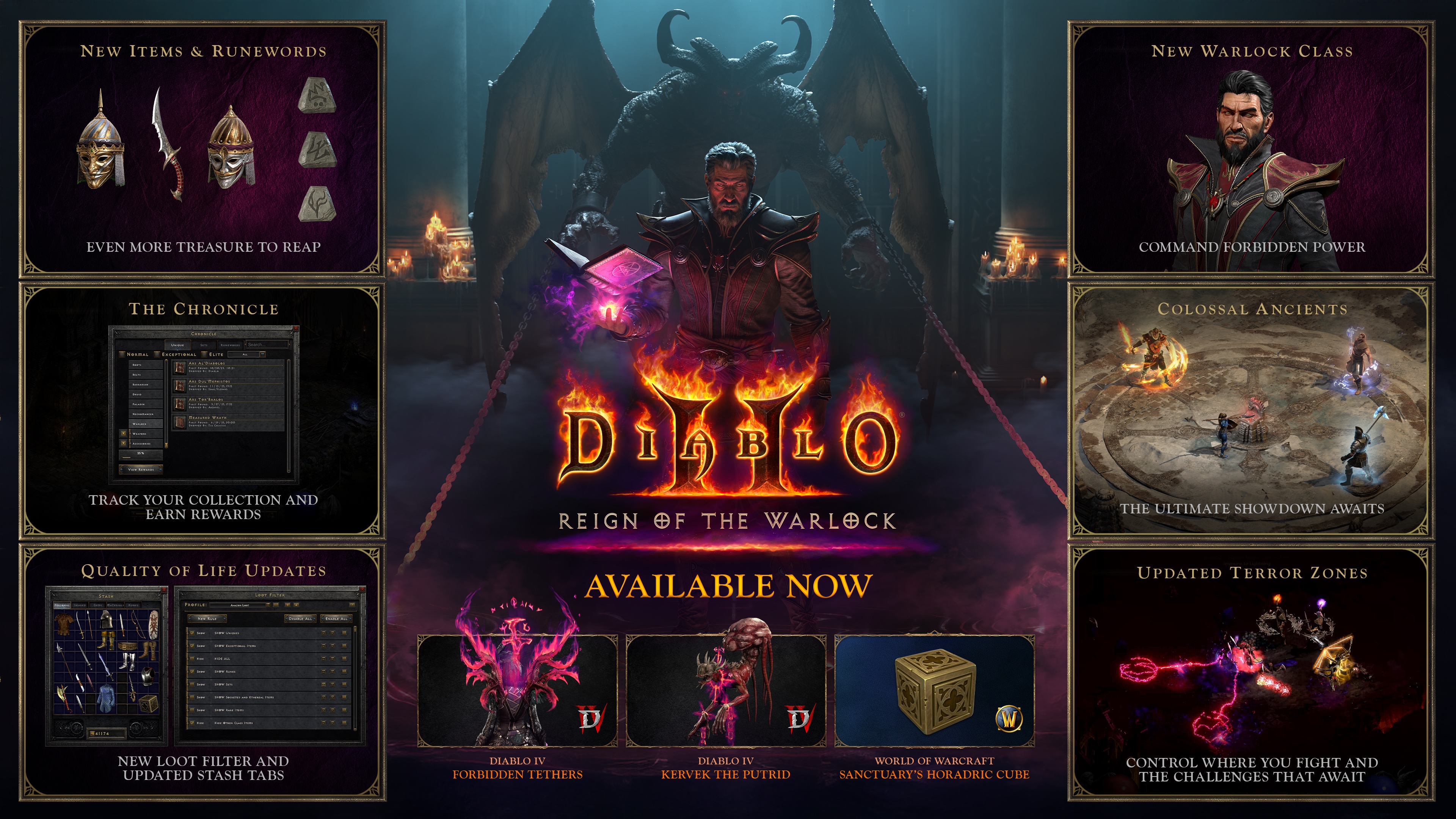
Blizzard has launched Reign of the Warlock, a new DLC and update for Diablo II: Resurrected that introduces the first brand-new class added to Diablo II in a quarter century. Alongside the Warlock, the release brings a revamped endgame loop, new items (including sets and runewords), quality-of-life upgrades, and a new pinnacle encounter against the Colossal Ancients.
Disclosure: Pricing and availability can vary by region/platform. Details below are based on Blizzard’s announcement and official store listings.
Quick facts
What changed in Diablo II: Resurrected today
When Diablo II: Resurrected launched in 2021, the headline promise was fidelity: the same bones, the same cadence, the same “feel,” rebuilt with modern rendering, cross-platform support, and a clean UI that didn’t sand off the game’s identity. Reign of the Warlock is Blizzard’s biggest step beyond preservation. It doesn’t just add a ladder tweak or a balance pass—it adds a full-fledged class and ties it to a set of systems designed to make endgame play more intentional, more trackable, and less cluttered.
Blizzard’s announcement frames this release as a “major update” anchored by three pillars: (1) the Warlock class, (2) updated Terror Zones and a new pinnacle boss (the Colossal Ancients), and (3) quality-of-life improvements such as stash upgrades and an in-game loot filter. On top of that, the update adds a Chronicle system to track your account-wide collection of items. These pieces are designed to work together: the new class gives players a reason to reroll, the refreshed endgame gives them something new to master, and the QoL changes reduce friction so the loop stays fast even when your stash is packed and your runs are optimized. (Blizzard announcement: “Rain Annihilation in Reign of the Warlock.”)
The headline: a new class without rewriting Diablo II
Diablo II’s class roster is more than “character choice”—it’s the foundation of its meta, pacing, and economy. Adding a new class is inherently risky: it can trivialize content, invalidate legacy builds, or feel out of place. Blizzard is positioning the Warlock as “refined, not reimagined”—a class that expands the sandbox while still playing by Diablo II rules: skill-tree commitment, item breakpoints, and build identity that’s earned through gear.
The Warlock: identity, role, and skill paths
Blizzard describes the Warlock as a scholar of forbidden knowledge who bends demonology into a weapon. Mechanically, what makes the Warlock stand out is not just “new spells,” but a toolkit built around three distinct specialization paths: Demon, Eldritch, and Chaos. The intent is clear: rather than creating one “do everything” caster, the Warlock is designed as three potential archetypes living inside one class shell—each with a different relationship to positioning, damage delivery, and survivability.
1) Demon: binding hellspawn into allies
Demon specialization focuses on enslaving demons as combat companions. Blizzard’s description is explicit: a Demon-focused Warlock can summon demon types such as Goatmen, Tainted, and Defiler, then enhance them through skills. The fantasy is domination, but the practical implication is deeper: minion play in Diablo II is traditionally split between summoning and curses (Necromancer) and companion-heavy hybrids (Druid). Demon Warlock isn’t simply repeating that; the identity is about “binding,” implying a more active, target-driven minion control loop than a passive army. Blizzard also notes an additional interaction: the Warlock can consume an enslaved demon and drain its life force to augment abilities—an explicit “power at a cost” lever that can produce high-risk / high-reward build patterns.
2) Eldritch: weapon manipulation and two-hand + offhand versatility
Eldritch specialization is the most Diablo II-flavored twist in the entire announcement: it’s about turning weapons into conduits for magic, applying hexes that cripple, drain, or detonate enemies. But the real meta hook is the “sole class” claim Blizzard makes: the Warlock can wield two-handed weapons alongside an offhand. If implemented as described, that is a fundamental itemization and breakpoint shake-up because it creates loadouts that don’t map cleanly onto existing class constraints. It also signals that Blizzard expects Eldritch to be buildcraft-heavy—where your weapon choice, offhand, and procs can define your entire play pattern.
3) Chaos: hellfire, void, and screen-control pressure
Chaos is the “ranged devastation” track: hellfire and void effects, Miasma projectiles, and big ultimate-style moments like “Apocalypse” and “Abyss” (as Blizzard names them) that read like Diablo II’s classic spell language, not modern action-combo abilities. The important point is how this path can redefine clearing routes. Diablo II’s farming efficiency often comes down to safe damage delivery and mobility; Chaos appears positioned to deliver area pressure and battlefield control, which can be especially valuable in Terror Zones where enemy scaling and density can punish static gameplay.
Warlock gear identity: Grimoires and dagger support
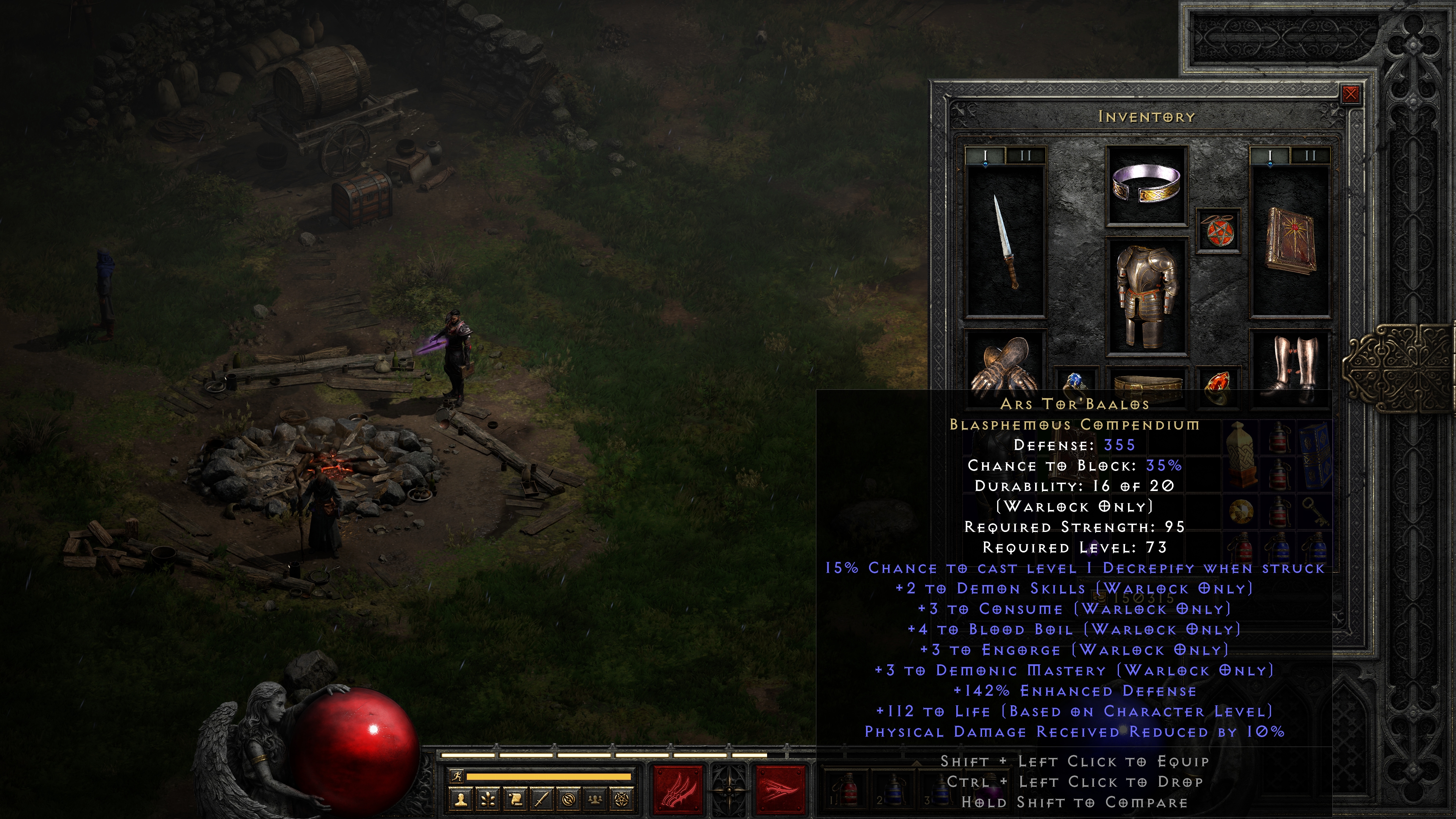
Blizzard’s patch details introduce Warlock-specific offhands called Grimoires (with quality tiers like Normal/Exceptional/Elite), and also notes a structural change to support the class: daggers can roll Warlock skill bonuses and are now sold by vendors (Akara, Drognan, Ormus, Jamella, Malah), with daggers removed from gambling. This is the kind of “ecosystem” change that signals the class is meant to be integrated into Diablo II’s economy and progression, not bolted on as a novelty.
Colossal Ancients: a new pinnacle fight built into the Terror Zone loop
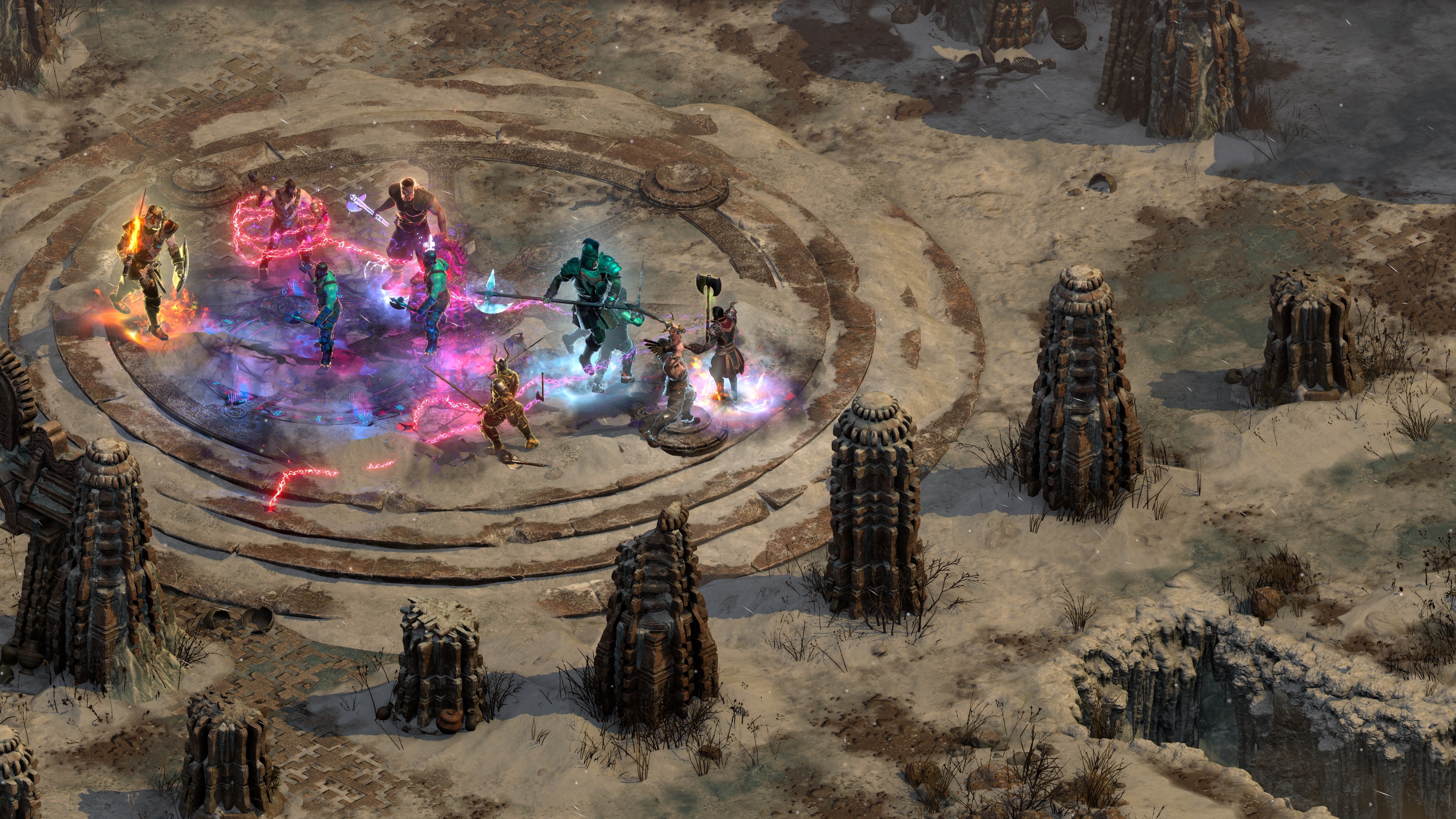
Diablo II’s iconic endgame has historically been “solved” by repetition: run the best zones, optimize your build for speed, and measure progress by drops. Reign of the Warlock changes the logic of that loop by embedding a new pinnacle encounter into Terror Zones and making its access procedural: the Colossal Ancients fight is unlocked through a statue collection mechanic tied to terrorized Act bosses, culminating in a Horadric Cube combination.
Blizzard’s description: defeating a terrorized Act boss can drop a statue; combining all five statues in the Horadric Cube unlocks the new encounter against the Colossal Ancients. That means the pinnacle fight isn’t just “press button, fight boss”—it’s a run path that incentivizes completing Terror Zone routes and encourages build stability across varied content rather than single-zone specialization.
How the fight escalates
Blizzard characterizes the encounter as a “brutal gauntlet” where execution matters and your build must maintain control under rising pressure: “strike one foe down, and the remaining foes grow in power.” This is an explicit scaling mechanic that can punish “glass cannon” strategies that rely on deleting one target and then coasting. Instead, it rewards builds with strong sustain, consistent output, and layered defenses—exactly the kind of buildcraft Diablo II players love optimizing.
Unique Jewel rewards with an equip limit
The reward structure is also deliberately Diablo II: it’s item-based, build-defining, and constrained to prevent stacking into absurdity. Blizzard says each Ancient can drop one of two Unique Jewels (level requirement 75), and you can equip only one of these Unique Jewels at a time, similar to how Gheed’s Fortune is limited. This single-equip constraint is important: it creates meaningful choice rather than a checklist where you simply farm all jewels and become exponentially stronger by stacking them.
Why this matters
A good pinnacle fight doesn’t just add “one more boss.” It creates a new benchmark for what counts as a complete build. If Blizzard’s design works, the Colossal Ancients will function like a pressure test that reorders priorities: resistances, sustain, crowd control, immunity solutions, and consistent DPS become non-negotiable—and that, in turn, reshapes what drops players value and trade for.
New items, sets, runewords, and Warlock-specific gear
Blizzard’s official notes say Reign of the Warlock adds new items, sets, and runewords—and provides concrete examples. That matters even if you never play Warlock, because Diablo II’s economy and progression are item-first. New drop targets change how players route content, what they pick up, and what they consider “worth it” in both solo and trade environments.
Warlock sets and uniques
Blizzard lists new Warlock item sets (including a Normal set and an Elite set) and multiple new unique items. These additions are aimed at giving the class a real gear ladder instead of forcing Warlock builds to borrow identity from preexisting class ecosystems. That’s essential for long-term class viability: if the Warlock’s best-in-slot were simply “use the same caster gear everyone uses,” the class would feel like a skin. By making Grimoires, Warlock mods, and Warlock-leaning uniques part of the drop ecosystem, Blizzard is signaling that the class is meant to have its own loot story.
Runewords: buildcraft fuel (and a meta catalyst)
New runewords are always a live grenade in Diablo II because they can redefine entire build categories. Blizzard’s announcement includes named runewords and their rune recipes—exactly the kind of detail that suggests this update is not just cosmetic. If even one of these runewords lands as a top-tier option, it will ripple outward into ladder routing, trading priorities, and the viability of mid-tier builds.
The net effect is simple: new items create new “best routes,” and new best routes create new reasons to play. Diablo II thrives when players disagree about what’s optimal—because that disagreement is the space where experimentation happens.
Quality-of-life upgrades that actually matter
Diablo II’s friction isn’t only difficulty; it’s also logistics. Inventory pressure, loot readability, stash sprawl, and the “management tax” can slow the loop once you’re deep into endgame. Reign of the Warlock targets these pain points with three concrete upgrades: loot filters, advanced stash tabs (including stacking), and bonus stash tabs/character slots included with the DLC purchase.
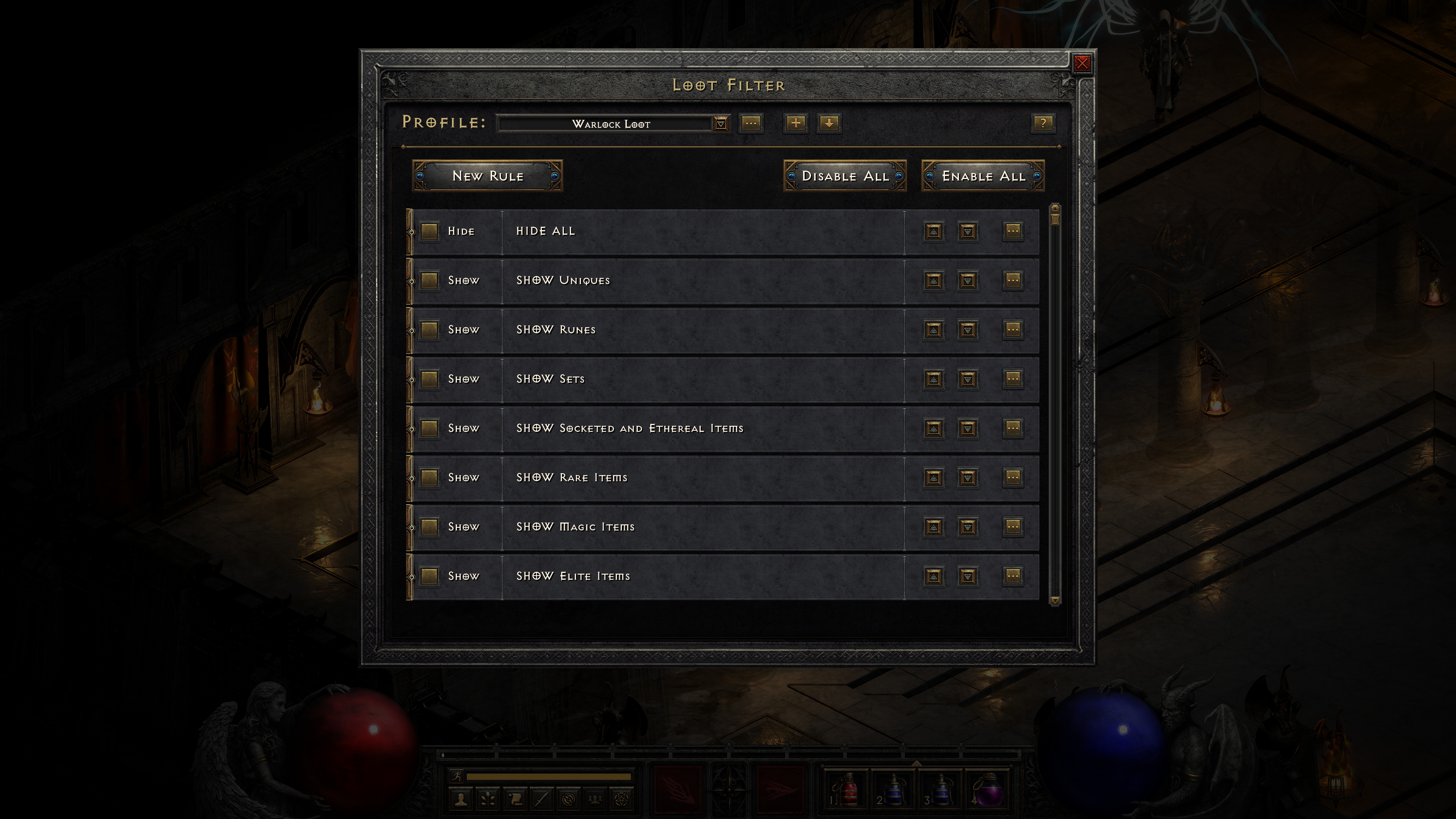
Loot filter: less clutter, more signal
Blizzard says the loot filter is built into the game and affects what items appear when you hold the “Alt” key. That detail matters because it anchors the feature in Diablo II’s core interaction loop rather than replacing it. A good loot filter doesn’t “play the game for you”—it reduces noise so you can make faster, more intentional decisions during runs.
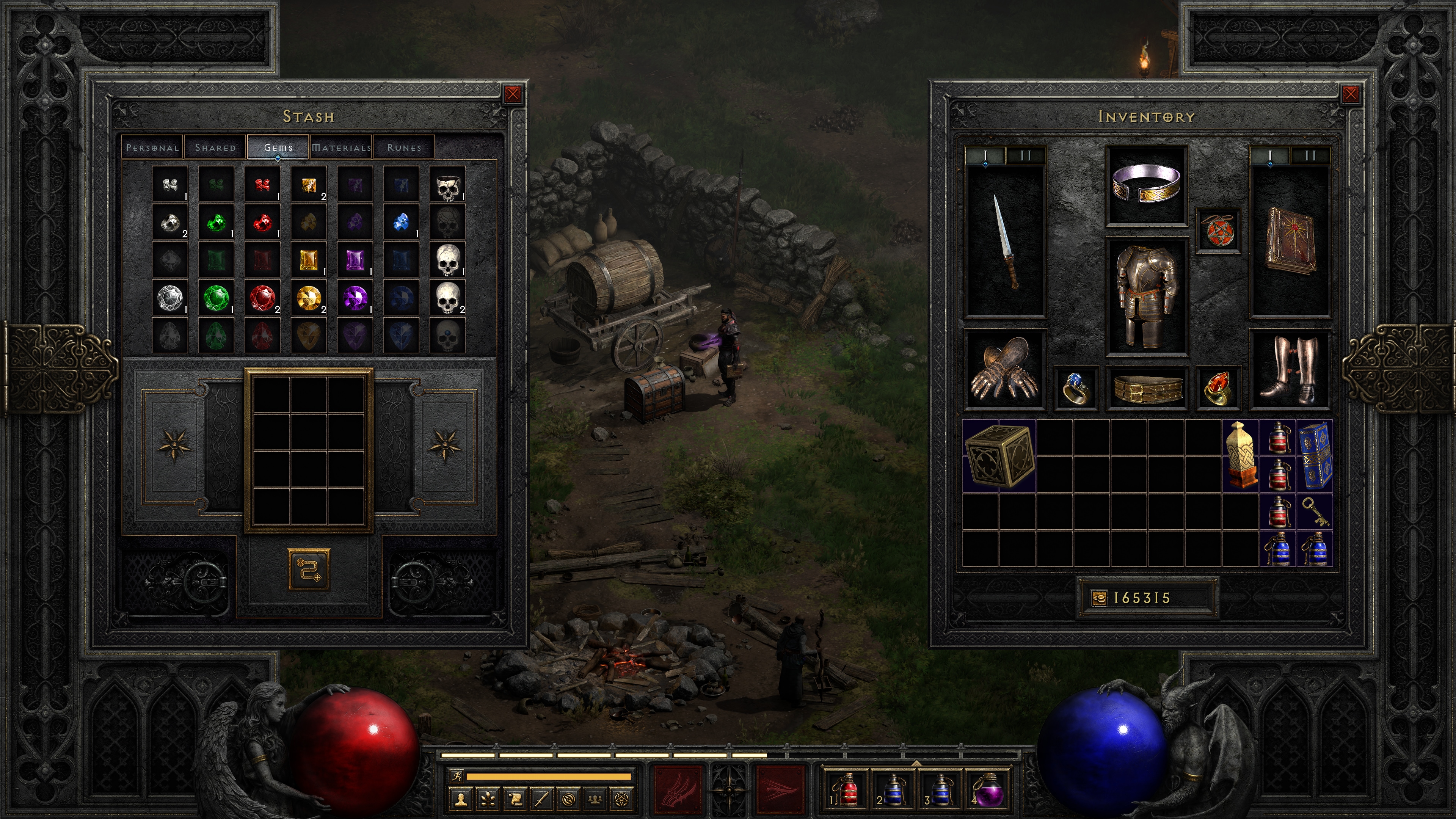
Advanced stash tabs and stacking
Stash stacking is a deceptively big deal. In Diablo II, your ability to continue farming efficiently is partially constrained by how much time you burn sorting, mule-ing, and reorganizing. Stacking and dedicated tabs for materials/gems/runes/consumables (as Blizzard describes) keep the dopamine loop intact: you spend more time killing demons and less time playing “inventory Tetris.” This is particularly relevant now that new items and a collection tracker are part of the ecosystem—because more content means more loot pressure.
The Chronicle: a collection tracker that rewards persistence
The Chronicle system is Blizzard’s attempt to make “the grail” visible. It tracks the items you’ve collected account-wide and can show when/where you found them. For long-term players, this is a retention mechanic in the best sense: it gives meaning to incremental progress, even in sessions where your biggest drop is “just” a mid-tier unique you needed for completion.
Pricing, editions, and what to buy
The release is available in two main purchase paths, depending on whether you already own Diablo II: Resurrected. Blizzard’s announcement also clarifies platform-specific availability notes (including that the base game can be played via Xbox Game Pass, while the Reign of the Warlock content is not included in Game Pass and must be purchased via the Infernal Edition or DLC).
| Situation | Recommended buy | Why |
|---|---|---|
| You already own Diablo II: Resurrected | Reign of the Warlock DLC (about $25) | Unlocks Warlock + the major update content and included bonuses. |
| You don’t own the base game | Infernal Edition (about $40) | Bundle includes base game + Reign of the Warlock content in one purchase. |
| You’re on Xbox Game Pass | Optional upgrade | Game Pass includes the base game, but not the Reign of the Warlock content per Blizzard’s notes. |
Steam note
Blizzard’s announcement states that Diablo II: Resurrected is coming to Steam and that Steam players can jump in via the Infernal Edition. If you’re buying on Steam, double-check which edition you’re selecting before checkout to ensure it includes Reign of the Warlock.
Official image gallery
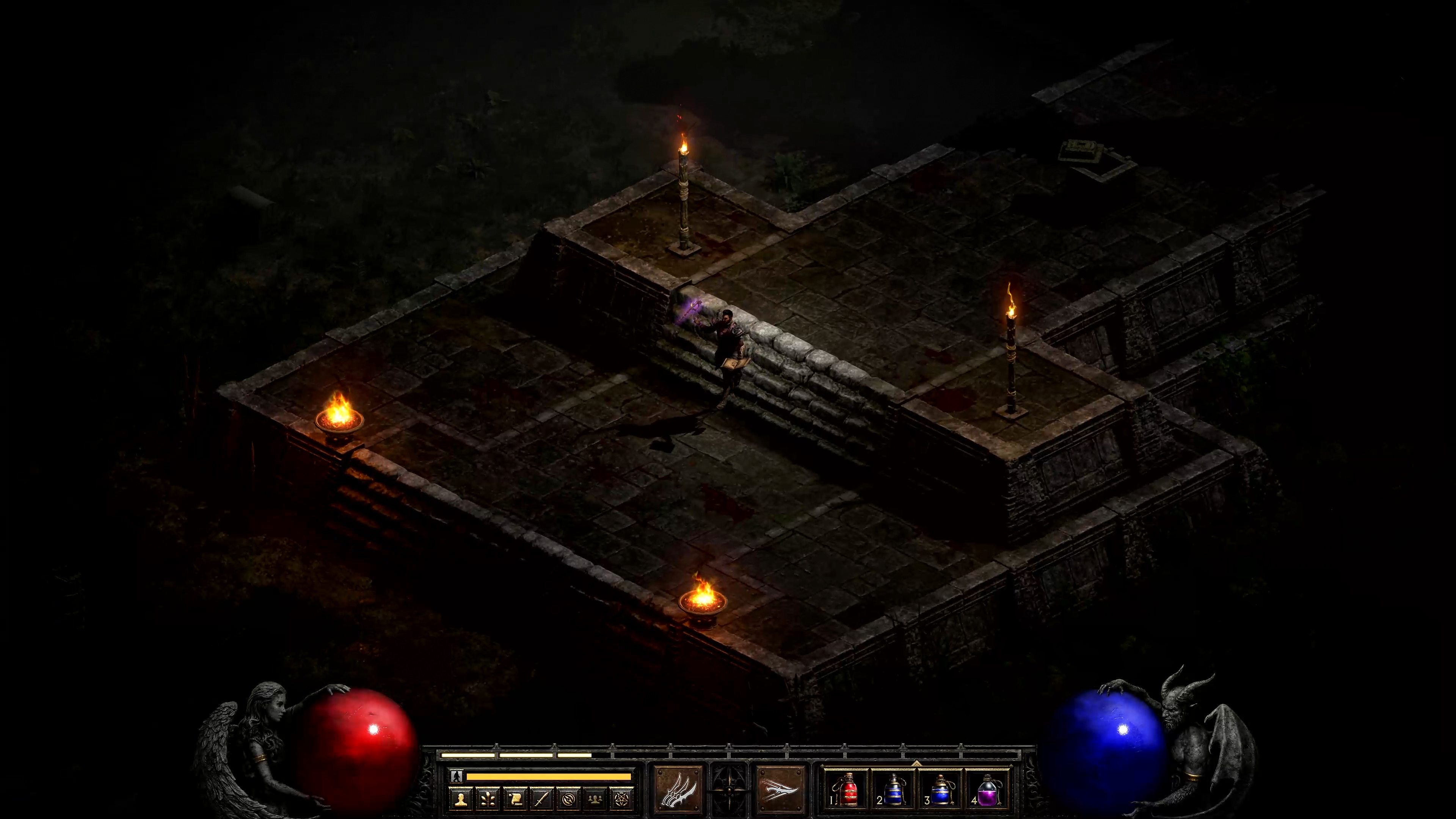
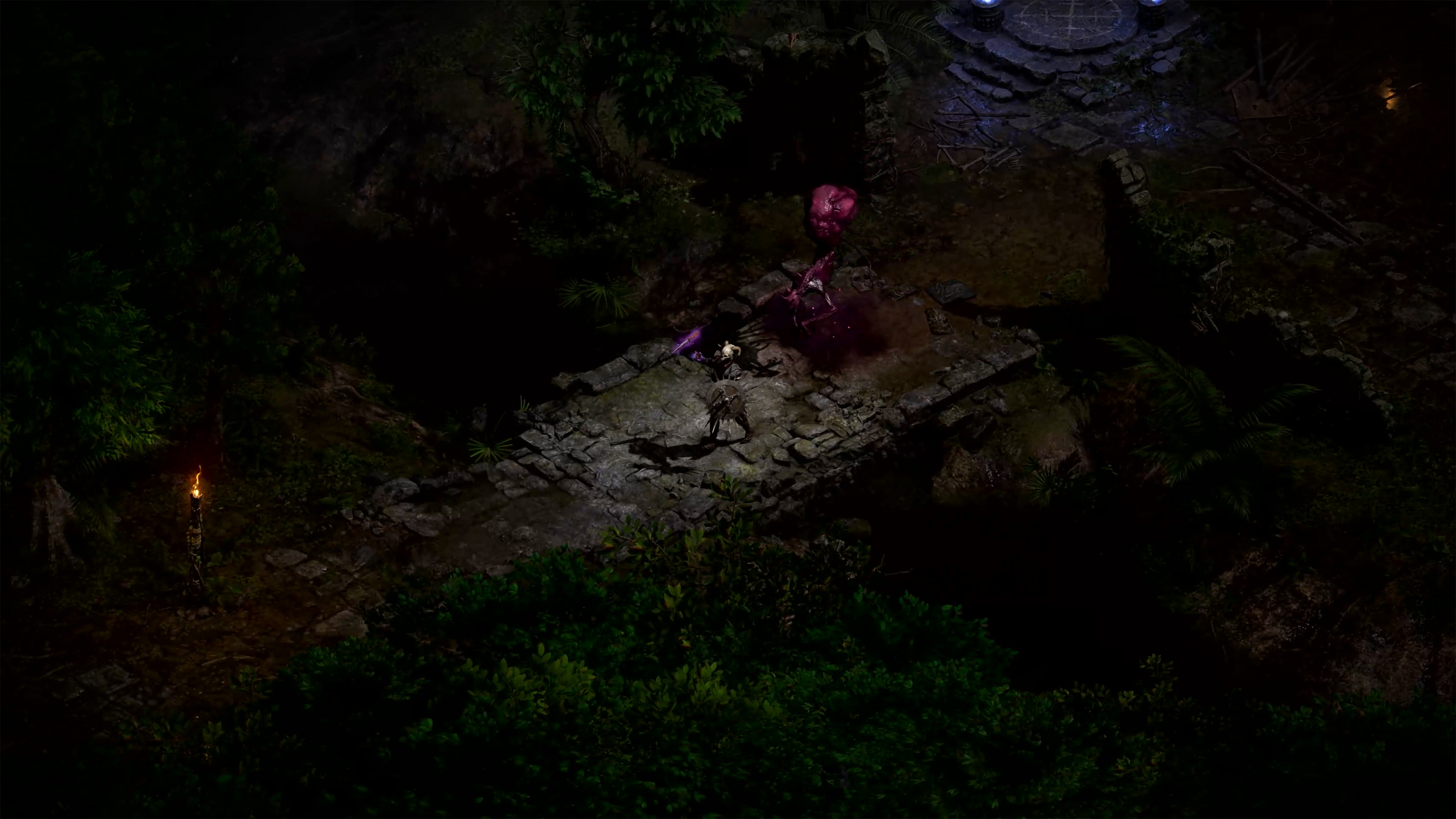
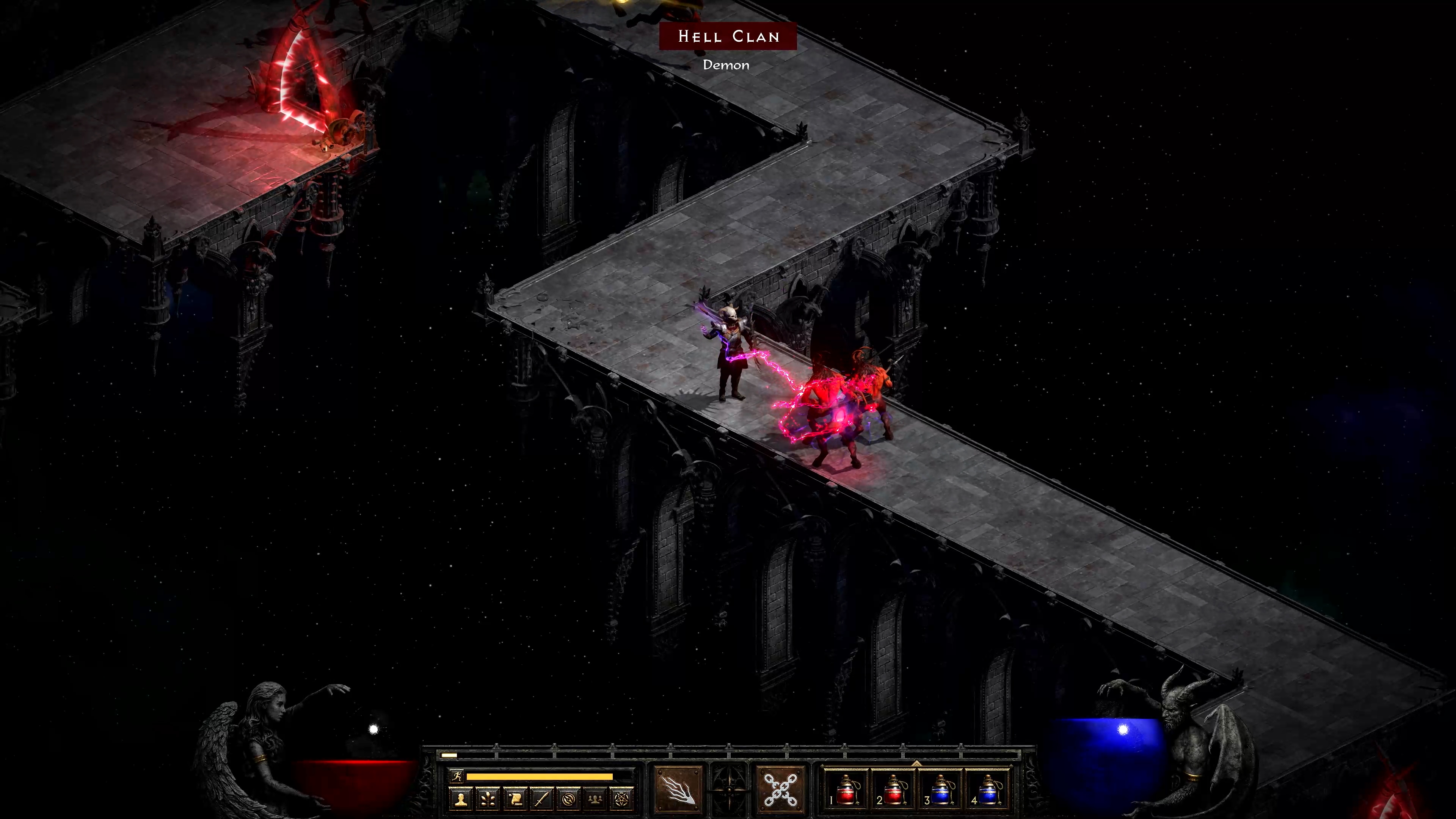
These images are hosted on Blizzard’s official CDN and come from Blizzard’s official announcement page. Tap/click an image to open the lightbox.
Verdict: who should come back (and why this update is a big deal)
Reign of the Warlock is significant for one reason above all: it adds something Diablo II has not meaningfully had in decades—new uncertainty. The best Diablo II eras are the ones where the community is still discovering, still arguing, still iterating on routes and gearing priorities. A new class, new runewords, and a new pinnacle encounter create precisely that environment.
If you’re a returning player, the Warlock is the obvious hook, but the deeper draw is the system package around it. Updated Terror Zones push variety. The Colossal Ancients build a reason to gear beyond “good enough.” The loot filter and stash improvements remove the friction that typically burns players out during long grinds. The Chronicle adds meaning to the sessions where RNG is unkind.
The only real caveat is personal: if you want Diablo II to remain frozen as a perfect historical artifact, any new class is “too much.” But if you’re the kind of player who still knows the sound of a rune drop by instinct, this update is Blizzard telling you the remaster is not just maintained—it’s alive. And that’s rare.
Practical advice for your first night back
- Start Warlock with a plan: pick Demon/Eldritch/Chaos early and commit—Diablo II rewards specialization.
- Run Terror Zones intentionally: you’re not just farming XP; you’re progressing toward statues and the pinnacle loop.
- Use the loot filter immediately: tune it for runes/sets/uniques so your runs stay fast.
- Track with Chronicle: it’s a long-term motivator—especially if you’re chasing specific uniques/runewords.
Sources
- Blizzard announcement: “Rain Annihilation in Reign of the Warlock”
- Official Diablo II: Resurrected site: diablo2.blizzard.com
- Steam listing (Infernal Edition): store.steampowered.com
- Coverage: Engadget